The most useful question when buying clothing online is not simply which size you normally wear. It is how this particular garment will sit on your body, over the layers you intend to wear and during the activities you do. Size labels provide a starting point, but cut, fabric and measurement methods can change the result. A few careful checks can make your shortlist much more reliable.
This guide explains how to compare a listing with clothing you already own, identify missing information and make a clear enquiry. It applies to everyday tops, trousers, knitwear and outer layers without assuming every product has the same construction. Browse the Koventi shop for individual listings, and keep the product serial beside your notes so an answer about one item is never confused with another.
Separate body measurements from garment measurements
A body measurement describes you. A garment measurement describes the finished item, often measured flat. The distinction matters because clothing needs an amount of space for its intended fit. A relaxed shirt and a close-fitting top can be designed for the same person while having different finished chest widths. Comparing the numbers without understanding their meaning can lead you towards the wrong size.
Read the chart headings and ask how the measurements were taken. If a flat chest width is shown, do not compare it directly with a full body circumference. Keep units consistent and avoid rounding several times. It can help to record your own measurements and a familiar garment's measurements separately. Label both sets clearly. This makes future comparisons quicker and reduces the temptation to choose solely from a familiar letter on a size label.
Use a garment you already enjoy wearing
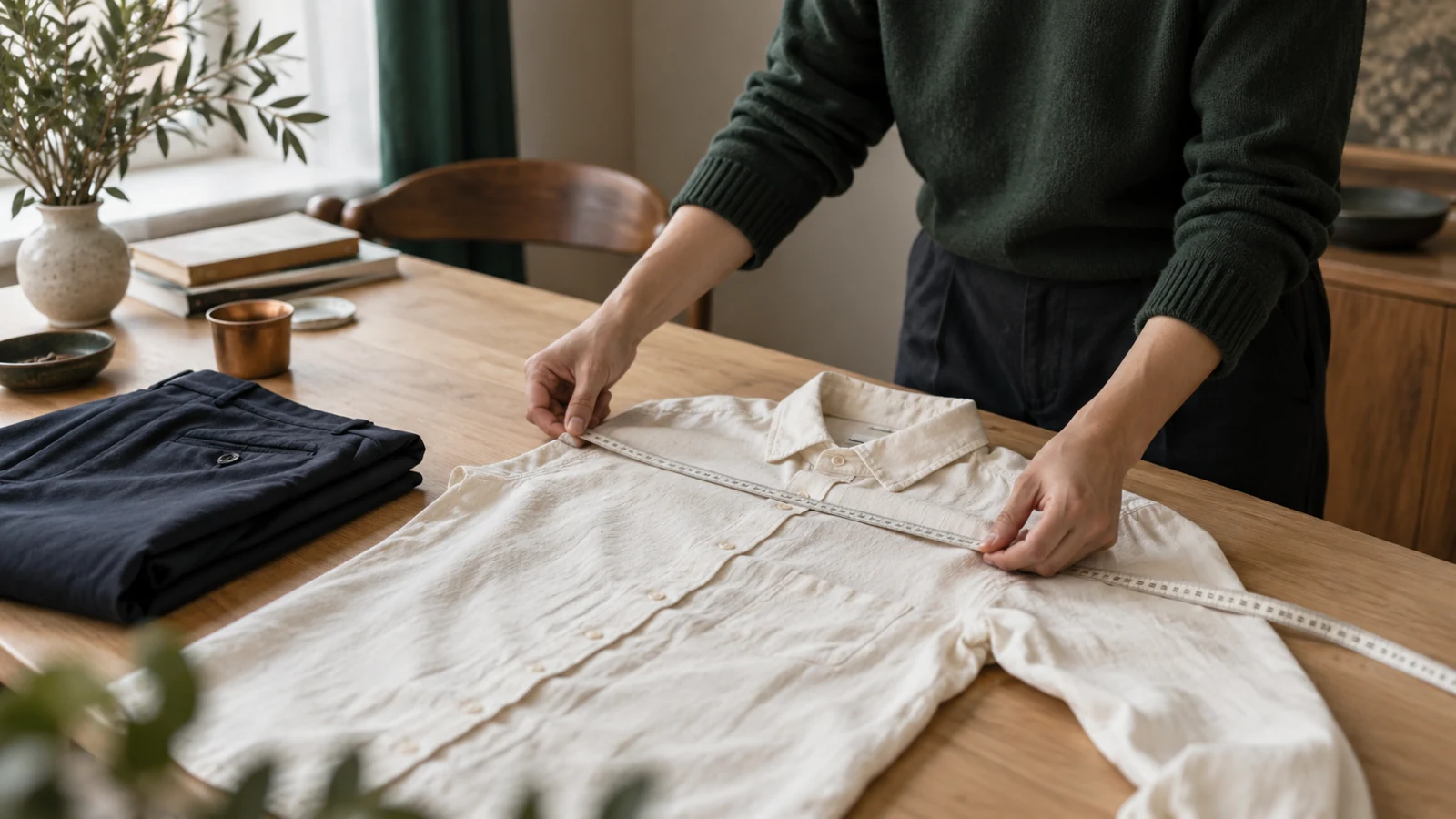
Choose a reference item that performs the same job as the piece you are considering. A loose weekend shirt is a better comparison for another relaxed shirt than a fitted formal blouse. Lay it on a flat surface, smooth it gently without stretching it and use a flexible tape. Measure at repeatable points, such as across the chest below the armholes, shoulder to shoulder and from the upper shoulder to the hem.
For trousers, useful measurements can include the waistband, rise, inside leg and leg opening. Record whether an elastic waistband was relaxed or stretched. Take photographs of where you placed the tape if you expect to discuss the measurements with a retailer. You do not need to send personal body photographs to ask a straightforward sizing question. A clear written measurement and product reference will usually be a better place to start.
Consider movement, not just a still photograph
An outfit needs to work when you sit, reach, walk and carry things. Think about where your reference garment feels comfortable and where it becomes restrictive. A shirt that looks neat while standing may pull across the back when you reach forwards. Trousers may feel different at a desk than during a short fitting. These observations are useful information, not evidence that one particular silhouette is universally better.
If you plan to layer, compare the garment over the clothing you expect to use beneath it. Outer layers may need additional room at the upper arms, shoulders and chest. Check sleeve length with your arms naturally positioned, and consider whether cuffs are meant to sit above or below another layer. Our everyday layering guide offers a way to plan those combinations before choosing individual pieces.
Read the shape and construction details
Words such as regular, relaxed, tapered and oversized describe an intended shape, but their meaning is not identical across every brand. Look for the actual dimensions and construction details supporting the label. A dropped shoulder changes where a sleeve begins. A cropped body can be intentional rather than evidence that the item is too small. Stretch panels and elastic sections can also affect the fit.
Check whether fastenings, pockets and linings are described. A fully lined garment may feel different over a knit from an unlined one of a similar outer fabric. If the description does not answer an important question, ask it directly. Do not infer stretch from a model's pose or pocket depth from an angled photograph. Treat the listing as a collection of facts to verify, rather than a puzzle in which every missing detail must be guessed.
Check the material and care information together
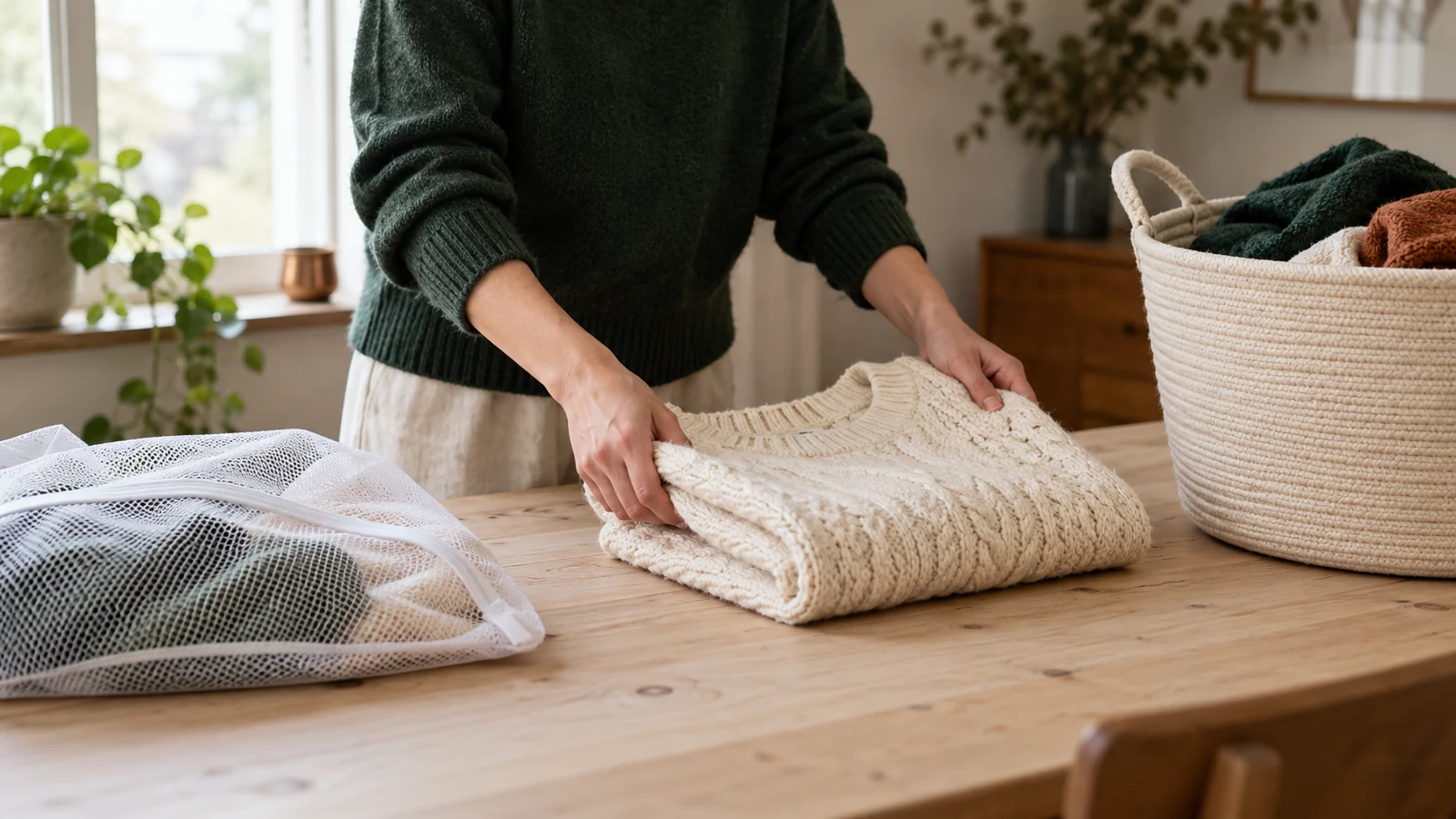
Fibre composition can help you understand a garment, but the fabric's construction and finish also matter. Two items with similar fibre percentages may drape or stretch differently. Ask about the confirmed composition and consult the care label when available. A material name should not be inferred from appearance, a price point or a word such as premium in a title.
The official textile labelling guidance is a useful reference for fibre information. Keep your product enquiry practical: ask for the label details, whether the item is lined and whether the measurements are taken relaxed. Avoid assuming a guaranteed shrinkage percentage or that every fabric can be altered successfully. If your purchase depends on a specific property, such as a particular composition, obtain written confirmation for that exact SKU before ordering.
Use photographs for the questions they can answer
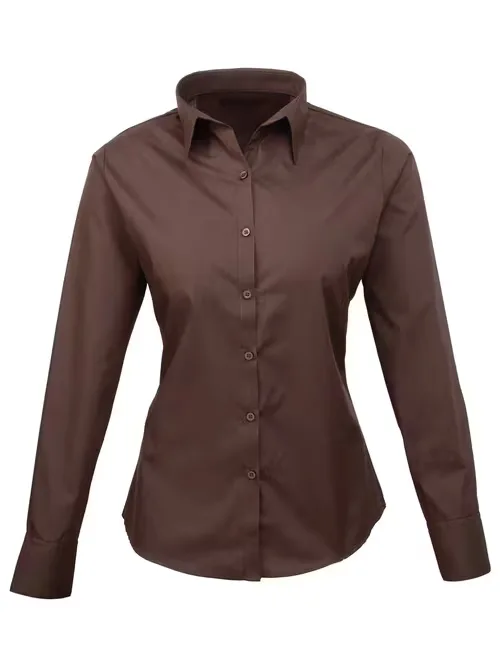
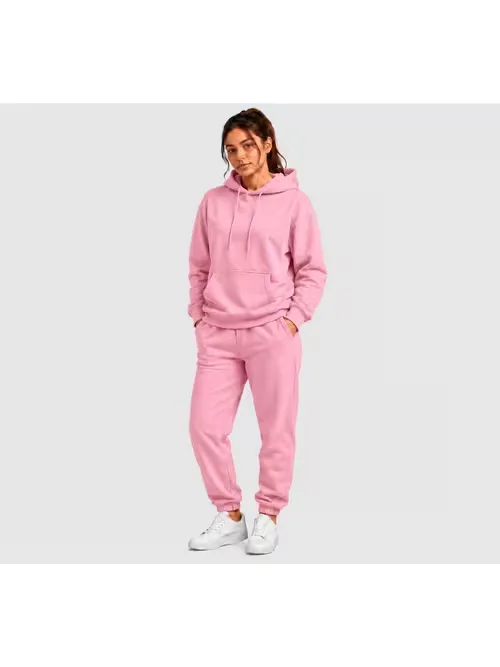
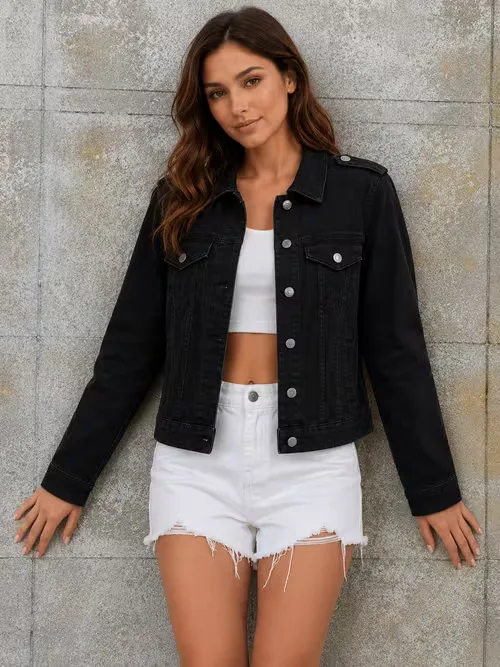
Product photographs can help you compare overall shape, colour placement, fastening position and visible details. They cannot reliably establish weight, comfort, fibre content or waterproof performance. Lighting, display settings and camera angles can also affect proportions. Use several genuine product views where available, but recognise the limits of the evidence.
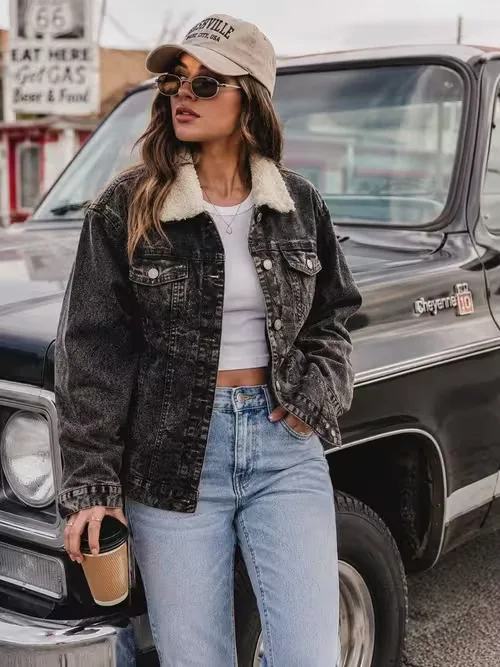
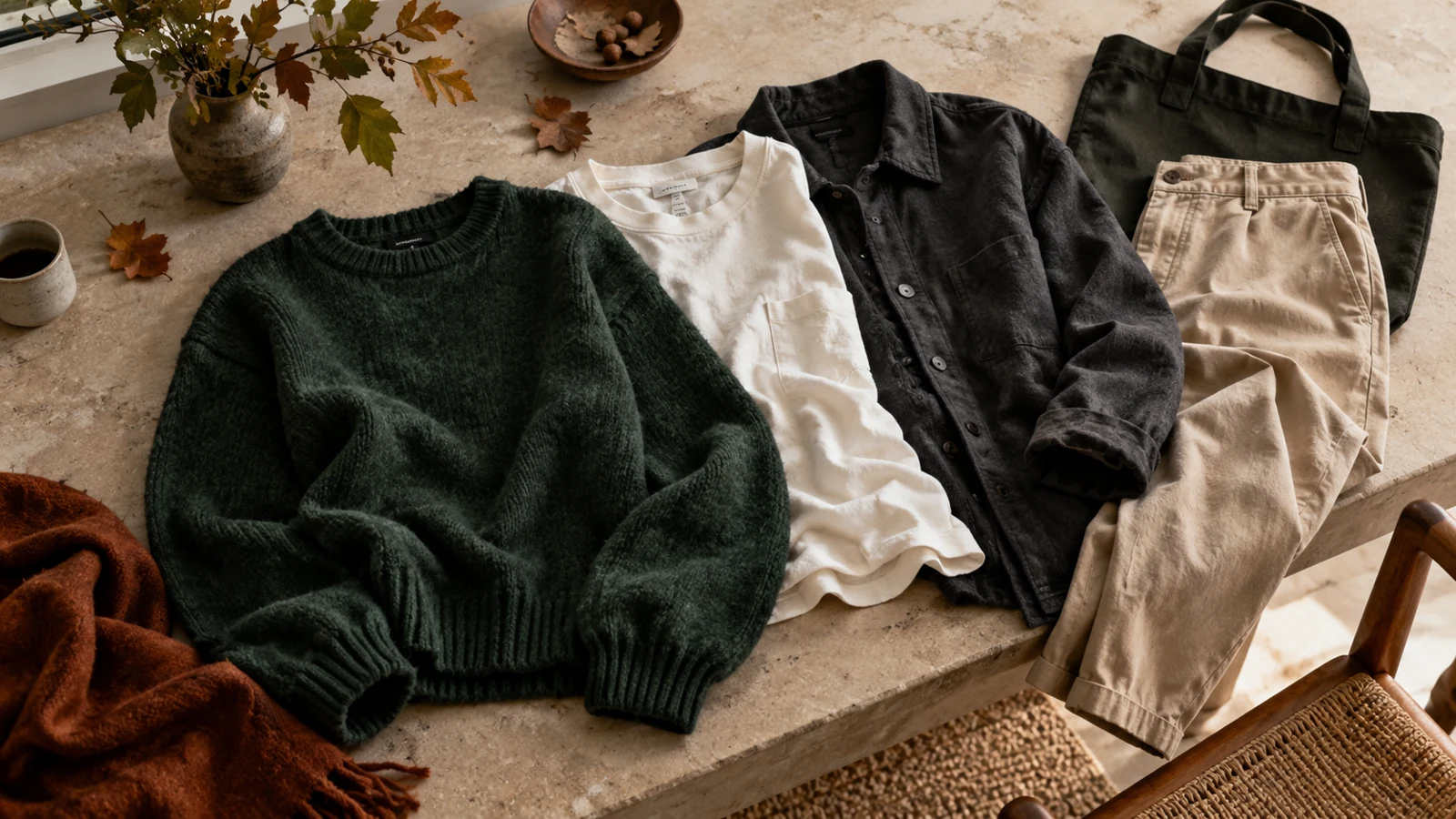
Editorial images in the Koventi journal illustrate a topic and are separate from the exact catalogue item. A styled photograph of knitwear is not a promise that every linked jumper has the same texture or shade. Open the individual listing and check its product serial. If you need a closer view of a cuff or fastening, ask whether a relevant photograph is available. The best answer may be a confirmed specification rather than another general lifestyle image.
Build a comparison note for each shortlisted item
Create a short table with the serial, selected size, reference measurements and unresolved questions. Include the reason you want the item: perhaps a longer shirt body, a lighter layer or a different trouser shape. This keeps the decision connected to your needs. It also prevents several similar names in your saved list from becoming interchangeable.
For a useful enquiry, write something like: “For this serial, please confirm the flat chest width and body length in the listed size, and whether the measurements are taken without stretching.” Add the relevant size and colour. You can contact Koventi with that information. Do not send card details, identity documents or account passwords to resolve a sizing question. They are unrelated to the product information you need.
Read delivery and return information before committing
A sizing decision also has a practical cost. Check when an item can be dispatched, where it can be delivered and what the order's return arrangements are. If you need clothing for a fixed date, confirm the schedule rather than assuming an available listing guarantees immediate dispatch. Keep the response with your notes so your final choice reflects the full purchase.
For general legal context, the government's online and distance selling guidance explains information sellers must provide. Your particular situation may depend on the transaction and any applicable exceptions. Read the Koventi terms and returns information, and ask about anything unclear. A journal article is a shopping guide, not a replacement for your statutory rights or the confirmed order details.
Inspect the item thoughtfully when it arrives
Compare the delivered product with the serial, size, colour and description recorded in your order. Check that the label and visible details match the item you expected. Try it carefully in a clean environment and keep the packaging while you assess it. Use normal movement to judge comfort, rather than forcing a fastening or stretching a seam to create a fit that is not there.
If something is wrong, make a factual note describing the issue. A measurement photograph, a clear description and the order reference are more useful than a general statement that the item feels different. Contact the retailer promptly and follow the relevant process. Do not alter, wash or repair an item before asking how that might affect an assessment. The appropriate next step depends on whether the concern is fit preference, a fault or a mismatch with the description.
A repeatable process for better clothing decisions
The strongest online shopping routine is simple enough to use again: choose a relevant reference garment, measure consistently, understand the chart, check materials and clarify missing details. Save the written answers for the right serial. Review the delivery and return information, then decide whether the item meets the purpose you identified at the beginning.
Over time, your notes become a personal reference library. You may discover that a particular body length works well or that your preferred sleeve shape differs between shirts and outerwear. Those observations are more helpful than assuming all sizes are standard. Start with Koventi's current clothing listings, use saved items to compare options and make each purchase a specific, informed choice rather than a guess based on a size label alone.
Official guidance & further reading
These links provide independent context. Rules and services can change; check the source for the current position relevant to your circumstances.
textile labelling guidance↗online and distance selling guidance↗Prepared by Koventi Editorial. General shopping and planning information, not individual legal, customs or professional advice. No government or carrier endorsement is implied. Product-specific claims must be checked against the actual listing and written confirmation.
A question about a particular product?
Include its Koventi serial number so the team can review the right item.
Contact Koventi