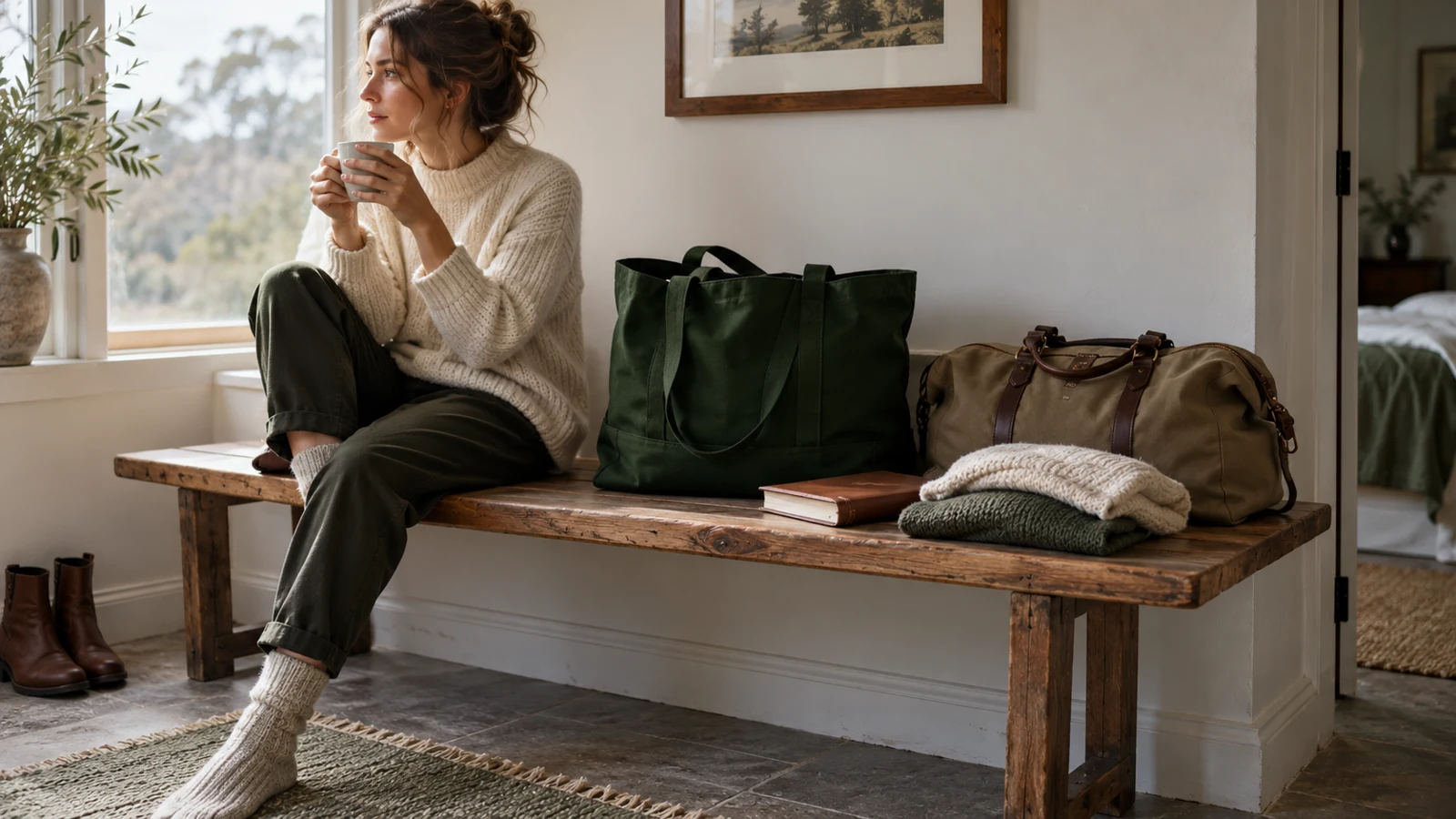
An everyday bag should support what you carry without making the day feel more complicated. The right choice depends less on a single fashionable shape than on the objects, journeys and habits it needs to accommodate. A roomy tote may suit a light commute, while a structured bag can help separate documents from smaller essentials. Neither is automatically the right answer for everyone.
This guide offers a practical way to compare bags online, focusing on capacity, access, carrying comfort and confirmed product information. It does not assume that an attractive photograph proves a bag is waterproof, secure or suitable for a particular device. Start with the Koventi bags and luggage collection, then check the exact listing and serial number for the details that matter to your routine.
Make an inventory of your real daily load
Empty your current bag onto a clean surface and group the contents by purpose. Separate items you use every day from things that have simply stayed there. A phone, keys, wallet and a light layer create a different requirement from a laptop, lunch container and paperwork. Include the objects you only carry on certain days, such as a charger or a reusable bottle.
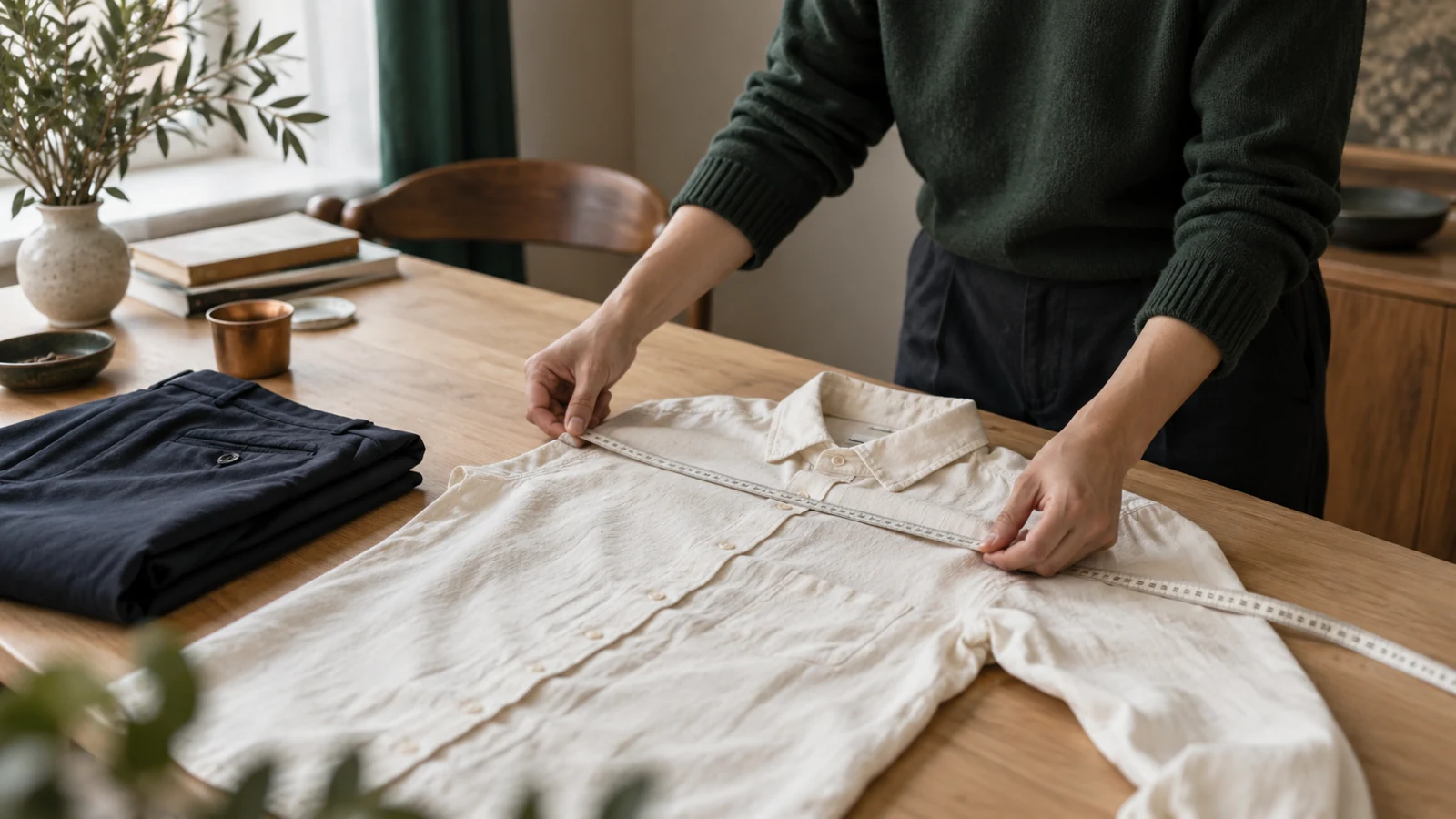
Measure the largest rigid items and note which must stay upright or protected. A bag's outer width is not necessarily its usable opening, particularly where seams, padding or a curved zip reduce access. If a device is essential to your day, compare its physical dimensions with the confirmed internal compartment measurements. A broad claim such as laptop-friendly is less useful than knowing the opening, depth and padded space available for your own equipment.
Match the format to how you travel
Consider the journey as well as the destination. Walking, cycling, using public transport and driving place different demands on access and carrying position. Think about whether you need both hands free, whether you frequently remove the bag and whether it must fit beside a seat. A bag that is convenient for a short walk may feel cumbersome during several changes of transport.
Try to identify the carrying position you prefer before shopping. Some people like short handles and easy access; others prefer a shoulder strap or a backpack format. Do not assume a strap is adjustable or removable unless the listing says so. If you wear a heavy coat, check whether the handle drop will accommodate it comfortably. Our layering wardrobe article can help you think through the clothing worn with your everyday bag.
Compare dimensions rather than trusting a size name
Small, medium and large are relative descriptions. Record the height, width and depth shown for each shortlisted bag, along with the measurement method if provided. A wide, shallow shape and a narrow, deep shape can have similar stated dimensions in one direction but behave very differently. Consider the opening and the way a bag sits when packed, not just its maximum outer size.
A useful exercise is to make a paper or cardboard outline of the listed footprint. Place your usual contents within that outline without squeezing them together. This does not reproduce the exact capacity, but it can reveal obvious mismatches. Leave room to reach an item instead of planning a perfectly packed arrangement that is frustrating to use. If important internal measurements are missing, ask the retailer to confirm them for the product serial you are considering.
Check handles, straps and contact points
Carrying comfort is affected by the bag's weight, the load and the way the handle or strap meets your body. Look for confirmed strap length and adjustment details. A narrow strap carrying a dense load may feel different from a wider one, but comfort remains individual. Avoid treating a photograph as evidence of ergonomic testing or a guaranteed comfortable carrying weight.
Check how handles and straps attach to the body of the bag. Close photographs can show stitching or hardware, but they do not establish a tested load capacity. If you plan to carry equipment or heavy documents, ask whether a weight limit is specified. Do not overload a bag because it has space remaining. Capacity describes volume; it does not automatically describe the weight the construction is designed to carry.
Think through access and organisation
List the objects you need to reach quickly and the ones that should stay separate. Keys can scratch other items, loose liquids need careful containment and small accessories can disappear into a large open space. Internal pockets, dividers and closures may help, but more compartments are not always better if their dimensions do not suit your belongings.
Read whether the main opening closes with a zip, flap, buckle or another fastening. Consider how you will use it in a crowded place or when one hand is occupied. No ordinary closure should be described as theft-proof without reliable evidence. If you need specific security performance, choose a product with verified features appropriate to that purpose. For general shopping precautions, the NCSC's online shopping guidance is a useful independent reference.
Verify the material and weather-related claims
A canvas-style surface is not proof of cotton content, and a leather-look finish does not establish that a product is genuine leather. Check the stated outer material, lining and care details. Ask whether trims differ from the main fabric if that matters to you. Keep any material confirmation linked to the exact item rather than assuming it applies across a whole category.
Terms such as water-resistant and waterproof should be supported by the relevant product specification. Do not infer either from a dark colour, a smooth coating or a travel photograph. If rain protection is essential, ask what the manufacturer actually states and whether seams, closures and compartments are included in that claim. A sensible packing plan may also include a separate suitable cover for vulnerable belongings, without treating it as a substitute for the product's confirmed performance.
Treat travel suitability as a separate check
An everyday bag can also be useful for a short trip, but travel requirements introduce extra measurements and responsibilities. If you intend to take it on an aircraft, check your booked carrier's current baggage rules directly. Allowances can depend on the ticket, route and type of bag. Do not rely on an old photograph, a generic cabin-size label or a journal article to establish acceptance.
Include handles, wheels and protruding parts when the relevant baggage rules require them. Think about the packed shape, not just the empty bag's dimensions. If you are ordering several bags for a team or business, explain the intended use in a bulk enquiry. Confirm the exact items, quantities and specifications before presenting them to others as suitable for a particular journey.
Plan cleaning and storage from the beginning
Choose a bag you can care for within your normal routine. Follow the manufacturer's instructions for the actual materials and trims. Do not machine-wash, soak or apply a treatment simply because a different bag tolerated it. Where a cleaning method is permitted, begin cautiously and avoid assuming every finish is colourfast. Check the label and ask if instructions are unavailable.
When the bag is not in use, empty it and store it in a way that avoids unnecessary pressure on handles or fastenings. Keep damp items separate and allow a suitable drying environment in line with the care instructions. These are sensible habits rather than a guarantee of lifespan. A carefully chosen product still needs use appropriate to its construction, and visible wear should be assessed before it becomes a more significant problem.
Keep your purchase information organised
Before placing an order, save the product serial, selected colour, dimensions and any written answers about materials or compartments. Review the Koventi Terms & Conditions, delivery arrangements and returns information. If you need a bag for a fixed date, ask about stock and dispatch instead of assuming a product page is a reservation.
UK consumer purchases have rights that cannot simply be replaced by an attractive product description. The government's guidance on statutory product rights explains the broad expectation that goods meet their description and purpose. Keep the distinction between personal preference and a problem with the supplied item clear when raising a concern. Your order reference and a precise description will help the retailer understand what needs checking.
Choose the bag that solves your particular problem
The final comparison should return to your original inventory. Can the bag hold the items you genuinely need, provide the access you prefer and work with the journey you make? Are its dimensions and material details confirmed? Have you checked any travel or equipment requirements separately? If one answer remains uncertain, resolve it before relying on the bag for that purpose.
A good shortlist may contain only two or three options. Use saved items to compare them, then contact Koventi with the relevant serial numbers and specific questions. The goal is not to find a universally perfect bag. It is to choose a practical companion for your own day, based on verified product details rather than assumptions created by a styled photograph.
Official guidance & further reading
These links provide independent context. Rules and services can change; check the source for the current position relevant to your circumstances.
NCSC's online shopping guidance↗guidance on statutory product rights↗Prepared by Koventi Editorial. General shopping and planning information, not individual legal, customs or professional advice. No government or carrier endorsement is implied. Product-specific claims must be checked against the actual listing and written confirmation.
A question about a particular product?
Include its Koventi serial number so the team can review the right item.
Contact Koventi