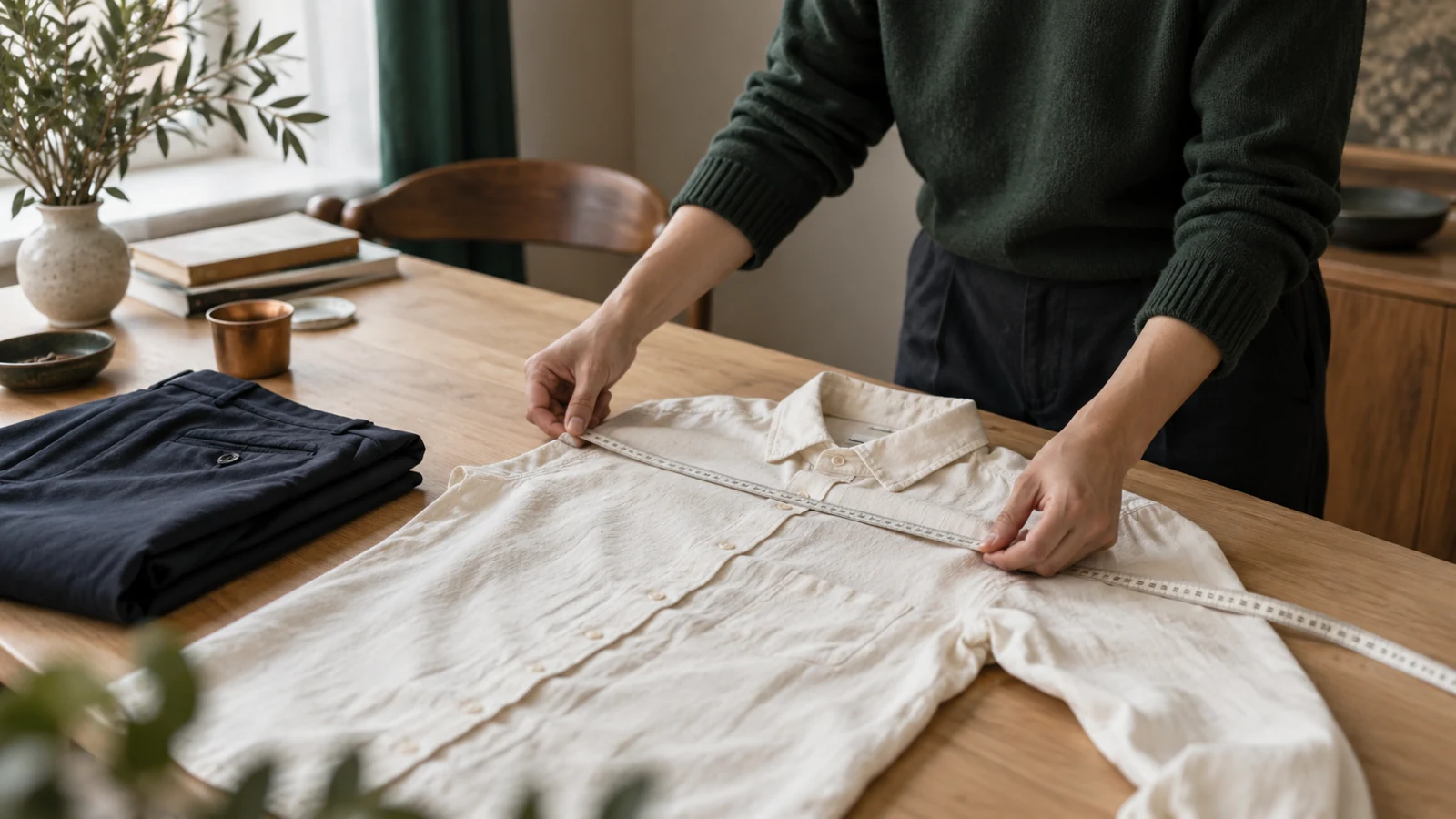
A bulk clothing order is a set of product decisions, delivery decisions and commercial commitments that need to fit together. A low unit price can lose its appeal if the size mix is wrong, packing is unclear or a shipment arrives after the stock is needed. Good preparation begins with the intended use and a clear list of items, rather than a headline quantity alone.
This guide is for businesses exploring larger orders from the Koventi collection. It explains how to prepare a useful enquiry and review the resulting proposal. It does not promise wholesale stock, fixed minimum quantities or a particular discount on every listing. Availability, price, packing and dispatch arrangements must be confirmed for the exact products. Start with the bulk and shipping enquiry form when your brief is ready.
Define who the order is for
Write down the customer or operational need behind the purchase. Are you replenishing familiar items, testing a new range, supplying a team or planning a seasonal promotion? Each purpose creates a different tolerance for substitutions, delivery timing and product variation. A trial assortment may justify a different quantity mix from a repeat order with established demand.
Separate requirements from preferences. A required colour, measurement or composition should be stated explicitly, while an acceptable alternative should be identified as such. If the goods will be sold onward, consider the information your own customers will need. Do not make product claims before they are verified. An attractive catalogue image is not evidence of a performance test, a material certification or a particular manufacturer relationship. Your buying brief should reflect confirmed facts and unresolved questions separately.
Build an order sheet around product serials
Use a consistent row for each item and option. Record the Koventi serial, product name, selected size or colour, quantity and any condition attached to acceptance. This prevents similar titles from being confused and makes it easier to compare a proposal with the initial request. Keep the original row even if an item becomes unavailable, then record an agreed replacement separately.
Do not rely on a screenshot as the only specification. Screenshots can support a discussion, but they may omit size options, dates or later corrections. A written order sheet creates a more usable reference for packing and reconciliation. If you request a sample, note which bulk item and option it represents. An approved example should not become permission to substitute a different colour or construction without your agreement. Clear identifiers reduce ambiguity at every stage.
Plan the quantity mix rather than the total alone
A total of several hundred units says little about how useful the delivery will be. Break the quantity down by SKU, size, colour and any destination split. Base the mix on the information available to your business rather than assuming a uniform allocation will sell evenly. Leave room in your planning for products that may need a different minimum or packing multiple.
Ask whether quantities must be ordered in sets, cartons or another defined unit. Clarify whether a listing describes one item or a multipack. If the total is flexible, provide a preferred quantity and an acceptable range without implying that every alternative is pre-approved. The Koventi fit guide can help frame measurement questions, but it cannot establish demand or an appropriate commercial size curve for your own customers.
Confirm the product information you will need
Before approving a bulk purchase, identify which specifications are important to your use or resale. These may include fibre composition, size measurements, care instructions, branding, fastenings and the scope of any supplied documentation. If you need labelling in a particular format, raise that before a quote is accepted. Do not assume custom labels or packaging are included in the catalogue price.
For a business selling goods onward, GOV.UK product safety advice for businesses is an important independent reference. The appropriate checks depend on the actual products and your role. A supplier conversation does not replace those responsibilities. Keep records of the information provided, who provided it and which serials it covers. Avoid presenting an unverified certificate, marketing phrase or editorial article as proof that every item meets a particular requirement.
Compare the full commercial proposal
Review the unit price and the total payable for the agreed quantity. Check the currency, any stated tax treatment, quote validity and payment schedule. Identify which services are included and which are separately charged. Packaging, labelling, samples, collection, freight and split deliveries can change the comparison between two apparently similar offers.
Make a simple landed-cost worksheet based on the actual quote, leaving uncertain items clearly marked. Do not insert a guessed tax rate or assume an international shipment has no additional charges. Ask who is responsible for each cost and when it becomes payable. The Koventi Terms & Conditions and written commercial agreement should be considered together. Business purchasing arrangements can differ from consumer purchases; do not assume a consumer cancellation process automatically governs every trade order.
Agree packing and delivery before booking
Ask how goods will be packed and identified. For a mixed order, carton labels and a packing list can make receiving much easier. Clarify carton counts, dimensions and gross weights where available, especially if the transport cost depends on them. Discuss pallet requirements, delivery access and whether the receiving address can handle the proposed handover.
Use the shipping and dropshipping page to frame a route discussion. Sea freight, air freight and parcel courier have different practical characteristics, but no route should be chosen on a generic promise of speed or price. Provide the collection point, destination and target date. Separate the desired arrival date from a confirmed service commitment. Stock readiness, transport capacity and customs processes can affect the plan, so the written proposal needs to state the actual arrangement.
Understand international paperwork as a distinct task
Where goods cross borders, determine who will arrange the necessary declarations and supporting documents. Product descriptions, values, origins and classifications need to be accurate. Do not assume that calling a shipment a sample removes every obligation or that splitting it into smaller parcels avoids the relevant rules. Give the appointed professional complete information about the goods and purpose.
The government's exporting guidance is a useful starting point for goods leaving Great Britain, with different processes for some movements involving Northern Ireland. Confirm the rules for the actual route and destination rather than applying one checklist globally. Ask who is acting as exporter and importer where relevant. The Koventi quotation process is not an automatic customs brokerage service, and an enquiry does not itself make a transport booking or complete a declaration.
Set an inspection and discrepancy process
Decide how the delivery will be checked against the agreed order. Identify who will count cartons, inspect visible condition and compare the packing list with the product rows. Plan where goods can be assessed without mixing them immediately into existing stock. Keeping serials and option details visible makes it easier to identify a mismatch accurately.
Agree a contact process for shortages, damage or unexpected substitutions. A useful report includes the order reference, affected serials, quantities and clear photographs where appropriate. Preserve packaging and documents while the concern is assessed. Do not assume a photograph alone establishes the cause of transit damage or authorises a deduction. The commercial agreement and applicable law determine the available remedies. Clear reporting helps both parties resolve the facts without turning an incomplete count into a wider dispute.
Include responsible sourcing and information handling
Ask reasonable questions about the supply chain and the evidence relevant to your products. Record unanswered questions instead of filling the gaps with optimistic assumptions. A responsible purchasing process distinguishes a stated policy from evidence of completed checks. Read the Koventi Modern Slavery framework for its published status and commitments; it should not be represented as a verified audit of every supplier.
Keep the personal information in a trade enquiry proportionate. The Privacy Policy explains the website's handling of contact and order information, while the Anti-Money Laundering framework describes intended payment-integrity controls. Neither document is a substitute for independently verifying an unexpected payment instruction. Confirm changed beneficiary details through a known contact route, and never send online banking passwords or one-time security codes in a quotation message.
Send a brief that can produce a useful answer
Your final enquiry should contain the company contact, product serials, quantities per option, delivery destination, desired schedule and any packing or documentation requirements. Identify where you can accept alternatives and where you cannot. Include carton or weight information if known, but label estimates as estimates. A complete brief helps the team identify the missing information instead of guessing your priorities.
Submit the details through the Koventi quotation form or contact the team. Sending a request does not reserve goods, create a credit facility or confirm a shipment. Review the written reply carefully and keep a dated copy of what is eventually agreed. The aim is a purchase that can be checked from enquiry through delivery, with every product row and responsibility clear enough to support a reliable handover.
Official guidance & further reading
These links provide independent context. Rules and services can change; check the source for the current position relevant to your circumstances.
GOV.UK product safety advice for businesses↗exporting guidance↗Prepared by Koventi Editorial. General shopping and planning information, not individual legal, customs or professional advice. No government or carrier endorsement is implied. Product-specific claims must be checked against the actual listing and written confirmation.
A question about a particular product?
Include its Koventi serial number so the team can review the right item.
Contact Koventi