Shipping is the link between choosing a product and receiving something you can use or sell. It involves more than selecting a familiar courier name. Product readiness, packing, destination access, documents and the agreed responsibilities all affect the result. Dropshipping adds another layer because the person receiving the parcel may be your customer rather than the business placing the request.
This guide helps you prepare for a practical conversation with Koventi about a shipment. It covers parcels, bulk consignments and direct-to-customer enquiries without claiming every route or service is available. Use the Shipping & Dropshipping page for the current enquiry options. A request is the beginning of a quotation discussion; it does not reserve stock, take payment, book freight or create an automatic fulfilment connection.
Begin with the goods, not the transport brand
List the product serials, options and quantities before choosing how to move them. A small number of lightweight garments creates a different packing question from a mixed order of bulky bags and clothing. Include any item that needs special handling or has a known restriction. If a characteristic is uncertain, ask for confirmation instead of describing the goods from a photograph alone.
Clarify whether the items are ready to dispatch or whether availability still needs to be reviewed. A desired arrival date is useful, but it does not establish that a particular service can meet it. When you contact Koventi, make the connection between the product brief and the timing clear. This allows the proposal to account for both preparation and transit rather than considering the carrier journey in isolation.
Understand the difference between parcel and freight planning
Parcel services are often the first option people recognise because they are familiar from individual online orders. Larger consignments may require a different approach to collection, handling or delivery. A shipment's total weight, dimensions, number of pieces and destination access all matter. There is no single quantity at which every product should switch from a parcel to a freight arrangement.
Explain what the receiving location can accept. A staffed business address with a suitable unloading area differs from an upper-floor flat or a shop with limited delivery hours. Include access restrictions, the need for an appointment and any limits on vehicle size where relevant. Do not assume that a quoted transport leg includes every handling service at the destination. Ask how the handover will work and which information the receiver must provide before the goods move.
Consider sea freight for the right kind of order
Sea freight can be worth discussing for larger or bulkier consignments where the schedule allows an appropriate transit window. The enquiry should explain the goods, total quantity, packing, collection point and final destination. Ask whether consolidation or a dedicated container arrangement is relevant rather than selecting a label without the necessary volume information.
Consider the whole journey. Collection, terminal handling, clearance, inland movement and final delivery may be separate parts of the proposal. Storage or a missed collection window can also affect cost. Do not compare a port-to-port figure with a door-to-door courier quote as though the included work is identical. A useful proposal states the actual scope. Koventi does not claim to own vessels or operate a shipping line; route options must be confirmed for the requested consignment.
Use air freight questions to clarify your deadline
Air freight may be a route to discuss when a consignment is time-sensitive, but the aircraft journey is only one part of the schedule. Product preparation, collection, security handling, clearance and destination delivery still need to happen. Give the required arrival date, the reason it matters and the date by which the goods can be ready.
Ask whether the proposed route can realistically meet the requirement and what assumptions support the estimate. Identify the consequence of a delay before accepting the proposal, particularly where goods are intended for an event or onward promotion. A general website description is not a service-specific guarantee. Avoid telling your own customer that a date is confirmed until the written arrangement supports that promise. The right question is about the complete handover, not simply whether a shipment travels by air.
Compare courier options on the same information
If you prefer DHL or FedEx, say so in the enquiry, but provide the same product, weight, dimension and destination information for any comparison. Familiar branding does not establish that a specific service is available on every route. Check the service scope, tracking arrangements, collection process and any limitations that matter to the recipient.
Carrier guidance can help explain the information requested. DHL's weight and dimensions guidance discusses volumetric weight, while FedEx's dimensional weight information explains why accurate measurements matter. Charges may reflect space as well as physical weight. Do not use an unverified measurement to secure a lower estimate. A realistic initial brief is more useful than a quote that changes after the parcel is measured.
Make dropshipping responsibilities explicit
Dropshipping means discussing direct dispatch to a receiving customer rather than treating your own address as the final destination. That creates questions about packaging, labelling, order instructions, tracking and returns. A neutral parcel or a branded insert should be requested and agreed; neither should be assumed because a service is described as dropshipping.
Clarify how orders would be submitted and approved, how stock would be confirmed and which event triggers dispatch. The current Koventi enquiry form is not an automated marketplace integration or stock synchronisation tool. Do not promise continuous availability based on a catalogue listing. Establish who will communicate with the end customer, how delivery problems will be escalated and which return address applies. A clear commercial arrangement helps prevent the customer from being passed between several parties when a straightforward answer is needed.
Keep customer data proportionate and secure
A quotation usually does not need a list of your customers' full personal details. Start with destination areas, expected order patterns and the service required. Share recipient information only when necessary for an agreed shipment and through an appropriate process. Avoid putting identity documents, payment credentials or unrelated customer notes into a general enquiry field.
The Koventi Privacy Policy describes how the installed website handles enquiry and order information. Read it before submitting the form. For general online purchasing precautions, consult the NCSC's shopping guidance. Use the official site address and known contact channels if an unexpected message requests a changed payment method. A delivery update should never require you to disclose an online banking password or a one-time security code to a retailer.
Agree documents and border responsibilities
For an international route, ask who is responsible for the required documents and clearance arrangements. Accurate descriptions, values and information about the goods are essential inputs. The process can differ with the route, destination and type of product. Do not assume a domestic delivery checklist applies unchanged to a cross-border shipment.
The official UK export guidance is a starting point for checking the relevant process; movements involving Northern Ireland can require different treatment. Use an appropriately qualified professional where the shipment needs specialist assistance. Agree who supplies the information and who makes the declarations. A written quote should also identify the treatment of duties, taxes and other charges. Asking for shipping advice is not the same as appointing a customs representative or completing the necessary paperwork.
Plan for tracking, delays and delivery concerns
Ask when a dispatch reference will be available and what information it provides. A label being created may not mean the carrier has collected the goods. Check the meaning of updates before passing them to another person as a confirmed movement. Keep the order and shipment references together so a delivery question can be connected to the correct products quickly.
If a parcel arrives visibly damaged, document its condition and keep the packaging while you contact the team. Report missing or incorrect items with their serials and quantities, not just a photograph of the outer carton. Follow the relevant delivery and returns process. General consumer purchases can have cancellation and other rights; the government's returns guidance explains the framework and exceptions. The appropriate remedy depends on the actual transaction and concern.
Prepare a quotation request that is ready for review
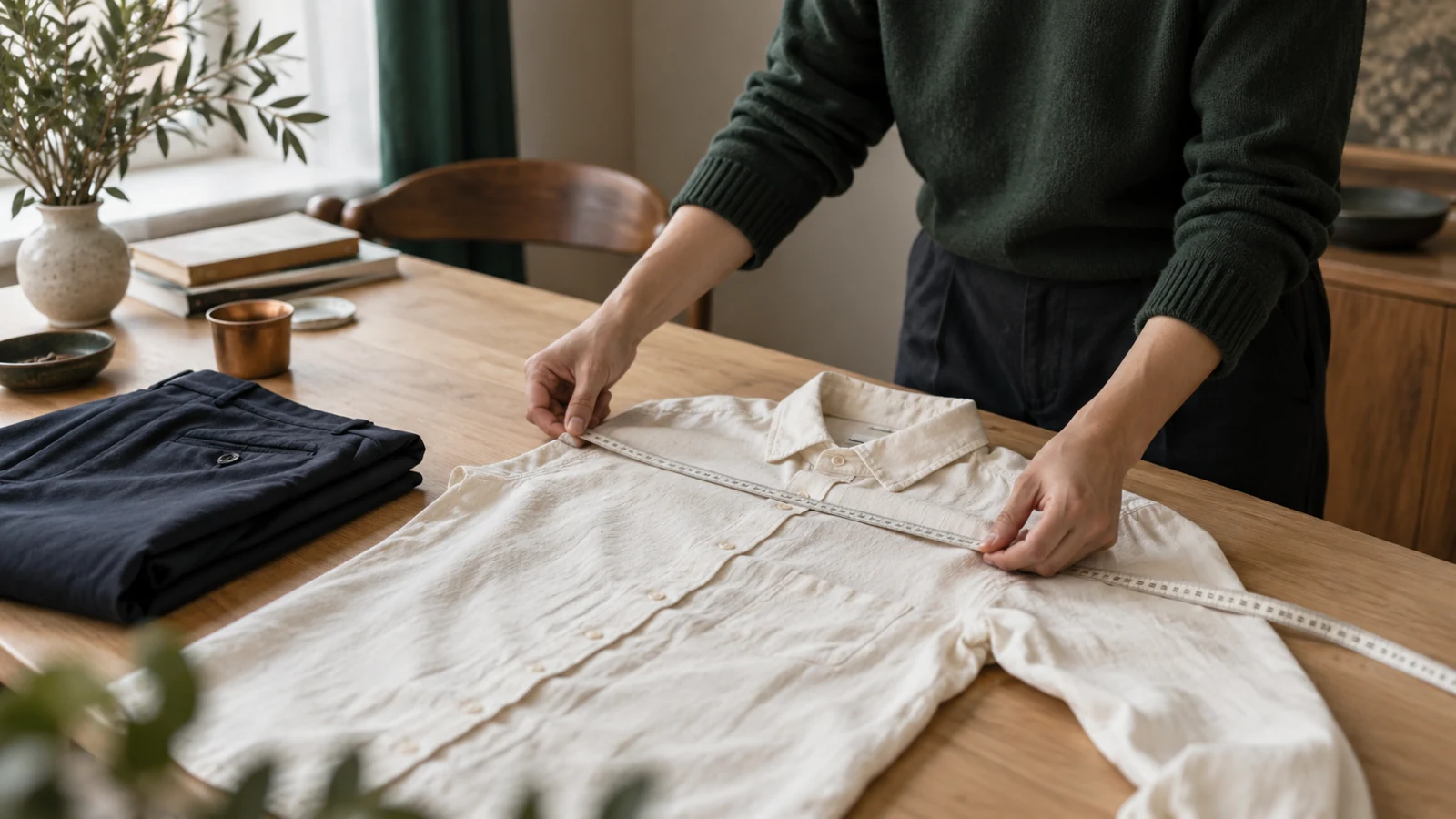
Bring the information together in a single brief: contact name, email, phone, product serials, quantity per item, collection location, destination, preferred method and target date. Add carton measurements and gross weights if known. Label estimated figures clearly. Include packing or dropshipping requirements and explain which details still need the supplier's input.
Send the brief through the Koventi shipping quotation form. The website stores the request privately for follow-up and attempts an email notification to the team; a reference helps identify it if you need to get in touch. Review the response alongside the Terms & Conditions before proceeding. A good shipping decision is a documented agreement about the goods, the route, the price and the handover, with responsibilities clear before a parcel leaves its starting point.
Keep a copy of the final proposal, the accepted product list and subsequent updates together so the information remains easy to retrieve.
Official guidance & further reading
These links provide independent context. Rules and services can change; check the source for the current position relevant to your circumstances.
DHL's weight and dimensions guidance↗FedEx's dimensional weight information↗NCSC's shopping guidance↗UK export guidance↗returns guidance↗Prepared by Koventi Editorial. General shopping and planning information, not individual legal, customs or professional advice. No government or carrier endorsement is implied. Product-specific claims must be checked against the actual listing and written confirmation.
A question about a particular product?
Include its Koventi serial number so the team can review the right item.
Contact Koventi